We talk to a lot of first-time operators in Europe, the Middle East, and Latin America who already know China's sharing market is crowded. What they want is a region where mobile habits are strong, venue owners are open to revenue share, and a 50–200 unit pilot can be read without six months of noise.
Southeast Asia keeps coming up for three plain reasons: density of young phone users, fragmented payment habits that reward local integration, and plenty of venues that still do not have a cabinet at the door.
The numbers that matter in sales calls
We are careful with forecasts, but a few reference points help frame the conversation with investors and mall partners:
- Regional internet penetration is above 80% in most target countries.
- Shared charging penetration is still single digits in many cities — room remains outside the CBD cores.
- Import demand from China for power banks and cabinets has stayed strong through 2024–2025, which tells you hardware is moving even when brands are not yet household names.
Field note: Singapore looks "saturated" on a map and still has micro-pockets in transit retail and late-night F&B where uptime and wallet UX decide the winner — not who launched first.
What "first market" should mean in your plan
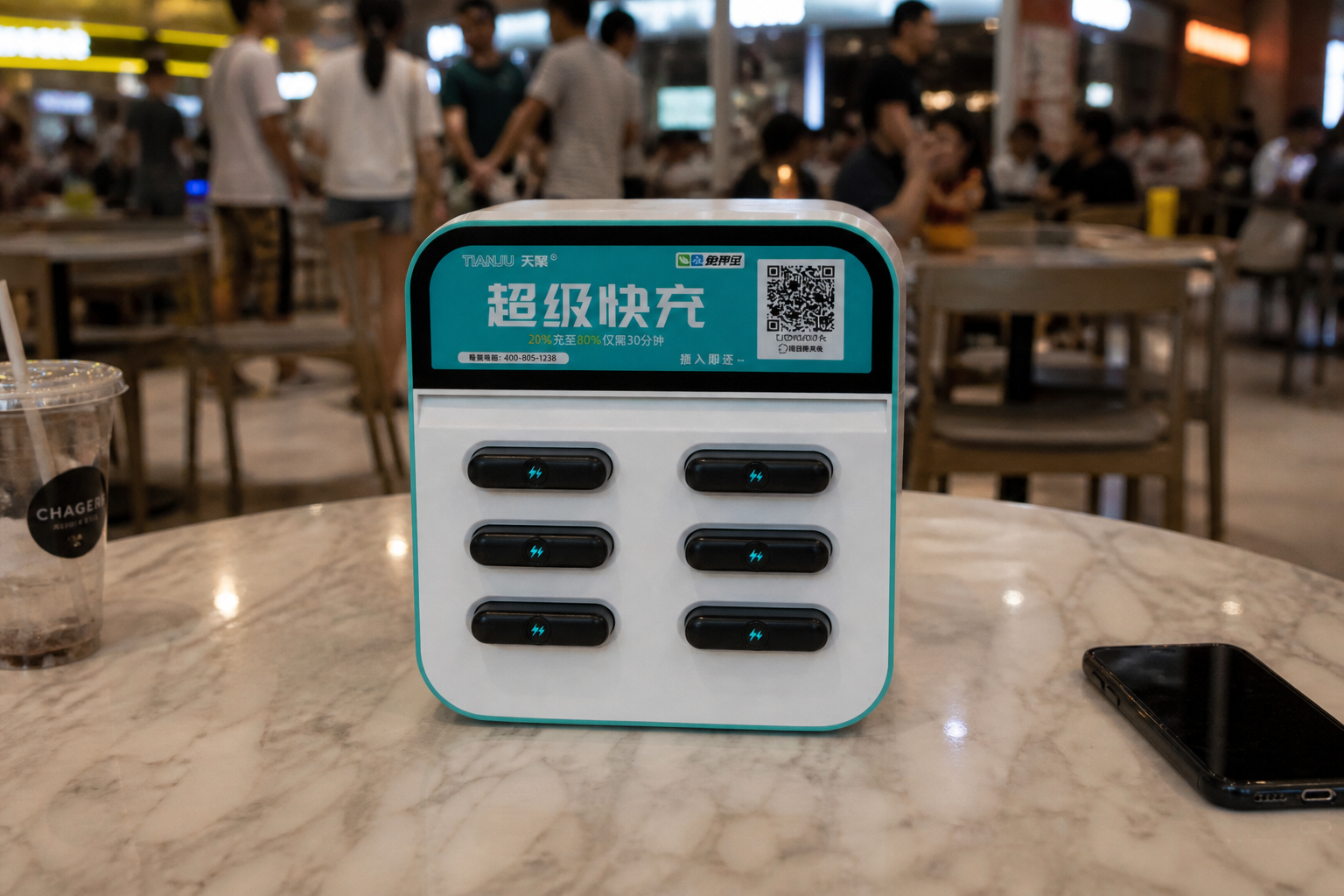
Pick one country, one city cluster, and one venue type — mall food courts, karaoke chains, bus terminals, or beach tourism strips. Run 30–60 cabinets for 6–8 weeks, track completion rate and payback per location, then copy the winner.
Vietnam and Malaysia are where we see the most repeat orders right now: operators learned on 4- and 6-slot stations, then stack modules when a site clears internal ROI hurdles. Country notes: Vietnam, Thailand, Indonesia, Malaysia, Philippines.
Where a factory actually helps
SEA is not one SKU story. You will mix cabinet sizes, QR flows, and export paperwork long before you worry about brand color. That is why we keep certification files, battery transport docs, and payment integration notes in the same project folder as the BOM.