Most “how to start sharing” articles sell a dream. This one is written from a Bao'an production desk. The buyers who succeed treat the first 60 days as a measurement project: one city cluster, one venue type, one cabinet family, one payment path.
1. Decide what you are actually buying
There are three honest packages. Mixing them without naming the owner is how projects stall.
- Hardware OEM only — you already have app + payments. We manufacture cabinets, packs, cables, and dock your API.
- White-label stack — branded backend, roles, settlement, and payment docking plus hardware. You own the brand and the data.
- Hybrid — OEM cabinets on a proven 4 / 6 / 8-slot platform, plus targeted software work for wallets and language. This is the majority of 2026 orders we ship.
If you do not yet have a developer account, a local merchant entity, or a wallet partner, start hybrid. Full clean-sheet ODM belongs after you have field data. See our OEM / ODM playbook.
2. Pick a cabinet family, then stack — do not mix orphans
Start from the venue, then lock one module family so spares, firmware, and training stay simple.
- 4-slot station — counters, drink shops, first pilots.
- 6-slot stackable — bars and food courts that will grow to 12 / 18 / 24.
- Native 8-slot stackable — nightlife and malls; scale to 16, 24, or 32 by stacking the same module.
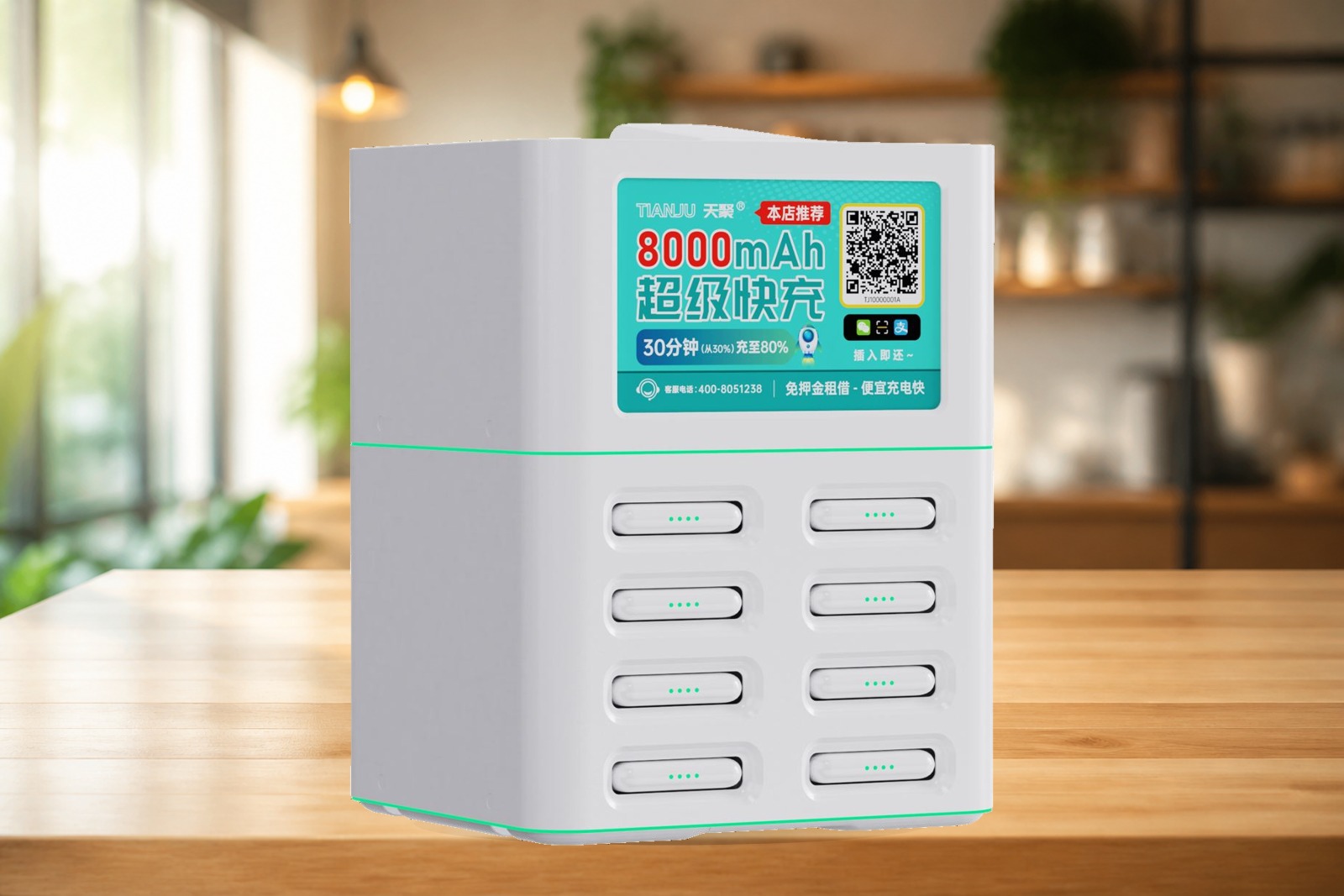
- 8-slot LCD station — lobbies and gyms that need on-screen QR guidance.
Do not mix a 4-slot stack and a native 8-slot stack in the same city unless you enjoy two spare-part lists.
3. Payments before marketing spend
Card-only checkout still kills conversion in large parts of Southeast Asia. Wallet-only checkout stalls in card-first Europe. Scope the docking at OEM kickoff — not after cabinets sit in a warehouse.
- QR / camera scan — no-app rent for SEA wallets.
- Local e-wallets — scoped per country: MoMo, PromptPay, GCash, and packs on request. Matrix: OEM.
- Card / POS — project-based for card-first markets.
- NFC / tap-to-rent — where device + gateway support it.
The OEM page has the docking matrix we use in kickoff calls: OEM / white-label.
4. Money, MOQ, and lead time (what we actually quote)
We do not publish a fake “franchise fee.” Typical structure on factory programs:
- Hardware all-in often lands around USD 30–80 per rental slot, depending on cabinet type, screen, and OEM depth.
- Lead time 15–20 working days after deposit for standard colors; custom CMF and firmware add a sample gate.
- Trade terms FOB / CIF / EXW; T/T 30% deposit + 70% before shipment is the usual pattern.
- Docs CE / FCC / RoHS on the program; UN38.3 + MSDS for battery freight — matched to the BOM on the invoice.
Payback is a venue problem, not a slogan. Our workshop numbers: many stable sites target roughly $50–70 net per cabinet per month after share and fees, with 6–9 month payback if uptime stays high. Details in unit economics.
5. An 8-week pilot that produces a yes/no
- Week 0–1 — lock country, city cluster, venue type, cabinet family, payment path, and spare SKU list.
- Week 1–2 — sample + firmware + QR flow on two phones. Do not skip this.
- Week 2–5 — production and export pack. Keep certificate names identical to the commercial invoice.
- Week 5–8 — 30–80 cabinets live. Track completion rate, payment success, slot faults, and refill hours — not vanity GMV.
If a site does not clear internal ROI in six to eight weeks, clone a winner instead of adding SKUs. Southeast Asia is still the region we recommend for first clusters — why SEA first. Country notes: Vietnam, Thailand, Indonesia, Malaysia, Philippines.
6. Ops that keep GMV from leaking
Most “won’t charge” tickets are dirty contacts or a venue router reboot — not dead packs. Give field staff a ten-minute sheet before they call the factory. Our version: daily ops guide.
Before you promise malls a 48-hour fix, agree remote diagnostics, which modules ship as spares, and who owns last-mile. That checklist is in four overseas gates.
FAQ
Do I need my own app on day one? No. White-label SaaS plus a QR path is enough for a pilot. App-store accounts matter when you want the brand in the user’s home screen.
Can I start with 10 cabinets? You can sample 10. A readable pilot is closer to 30–80 units in one cluster so refill routes and payment success are not noise.
Hardware only, please. Yes. Say so in the first email. We will quote cabinets and packs without bundling a second software invoice.